
Visionary Spring 2026
Changing Poppy’s future
Poppy’s diagnosis of Usher syndrome 2A led her family to connection, strength and hope.
After their daughter Poppy was born, Ali and her husband Ben were happily focused on the joys of welcoming a new baby into their family as well as caring for their older daughter Evie. Then, when Poppy underwent a routine hearing screening and it revealed that something wasn’t right, everything changed.
“The doctors kept saying it was probably fluid in her ear,” says Ali.
“Then after more testing, suddenly we were being told she had mild to moderate permanent hearing loss and would need hearing aids for the rest of her life.
“As she still reacted to noises – like a door would slam and she’d startle – we thought, ‘Well, she can hear, so everything must be fine.’”
While the family was adapting to Poppy’s hearing loss, Ali and Ben began learning more about the challenges Poppy would likely face as she grew up, which led to a determination to understand what had caused it.
Genetic testing provided Poppy with a clear diagnosis: Usher syndrome type 2A. This rare inherited condition causes mild to severe hearing loss from birth and progressive vision loss from the teenage years.
The vision loss in people with Usher syndrome is caused by retinitis pigmentosa – an eye disease that begins as night blindness and tunnel vision in adolescence or early adulthood and progresses to blindness later in life.
While there is currently no cure for Usher syndrome, hearing aids and cochlear implants can significantly improve people’s hearing. Meanwhile, ongoing research and clinical trials at CERA are actively investigating potential treatments to prevent or cure vision loss and blindness.
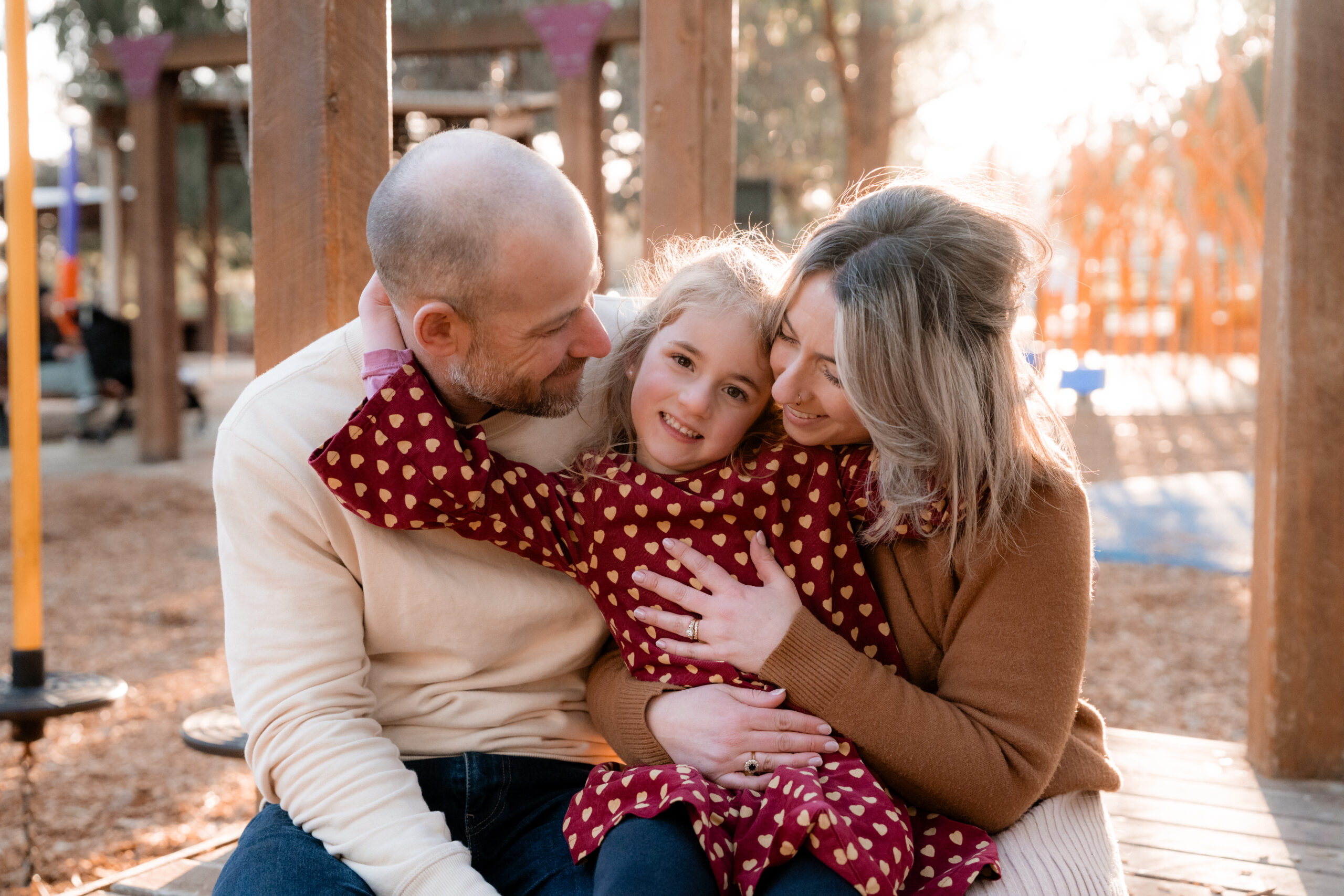
Facing the unknown
For Ali and Ben, the diagnosis brought a second wave of grief.
“We’d only just started coming to terms with the hearing loss when we found out she would also experience progressive vision loss,” says Ali.
“Suddenly I’m thinking that my child is going to go blind. What does that mean for her future? What does that mean for our family? There were so many unknowns.”
The symptoms of Usher syndrome type 2A vary considerably from person to person. While Poppy’s hearing loss is expected to remain relatively stable, her vision is likely to steadily deteriorate over time. The timing and rate of vision loss vary widely and cannot be predicted accurately for any one individual.
In those early days, uncertainty fuelled fear for Ali and Ben.
“When you don’t have information, your anxiety fills in the gaps,” says Ali.
“Ben and I found ourselves imagining the worst-case scenarios and worrying about everything from education and independence to career opportunities and quality of life for Poppy.”
But they soon realised that what helped most wasn’t simply time to understand the condition and how it would affect Poppy’s life. It was being a part of the Usher syndrome community and finding hope in the research underway at CERA to find a cure.
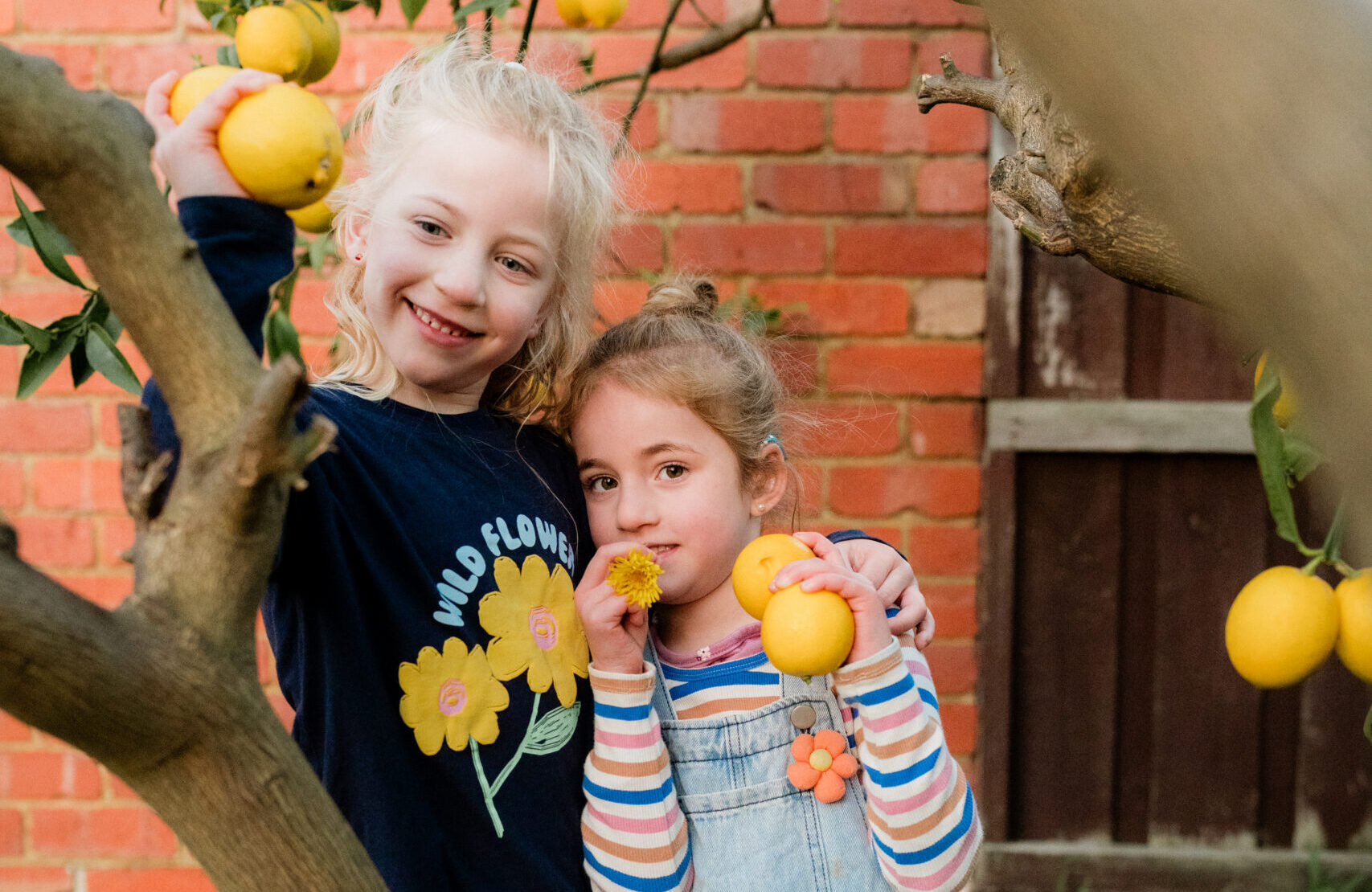
Why research matters
“We believe that every story told, every dollar raised and every piece of research becomes part of the chain that eventually leads to a cure for Usher syndrome. That’s what community is about – supporting each other,” says Ali.
Research breakthroughs don’t happen overnight. They are built step by step, discovery by discovery, donation by donation. And as CERA’s scientists work towards new treatments for Usher syndrome, Ali remains hopeful.
“You never know what will be the final piece of the puzzle that leads to a cure – whether it’s funding research, participating in studies, sharing a personal story or raising awareness. Every contribution matters,” she says.
For Ali and Ben, research offers something incredibly important: possibility and hope for future treatments to prevent vision loss, slow its progression and, ultimately, restore sight that has already been lost – for not just Poppy, but for everyone living with Usher syndrome.
“We need solutions for people at every stage of their journey,” says Ali.
Research into treatments for inherited retinal diseases like Usher syndrome is currently at a turning point.
Where these conditions were once considered untreatable, gene therapies are beginning to emerge that could protect a person’s vision for life.
However, inherited retinal diseases can be caused by hundreds of different genes. Further research is essential to unlock the full potential of gene therapy and expand treatment options for more of these conditions, including Usher syndrome type 2A.
Finding hope in community
Meeting other people and families living with Usher syndrome who were navigating similar experiences gave Ali and Ben a new perspective – helping to ease much of the grief and uncertainty they had been experiencing alone.
“Even something as simple as your child having a playdate with another child who wears hearing aids can make a huge difference,” Ali says.
“It helps normalise their experience and shows them they’re not alone.”
Expanding the possibilities
Today, Poppy is a happy and energetic five-year-old with no signs of vision loss yet. The family travels and loves new experiences, but the reality of Usher syndrome 2A remains quietly present.
“A cure honestly wouldn’t change much for us today,” Ali says.
“But it would change everything about Poppy’s future.
“A cure would get rid of the ticking clock that is constantly there. It would expand the possibilities for her.”