Stories
Looking back on the bionic eye
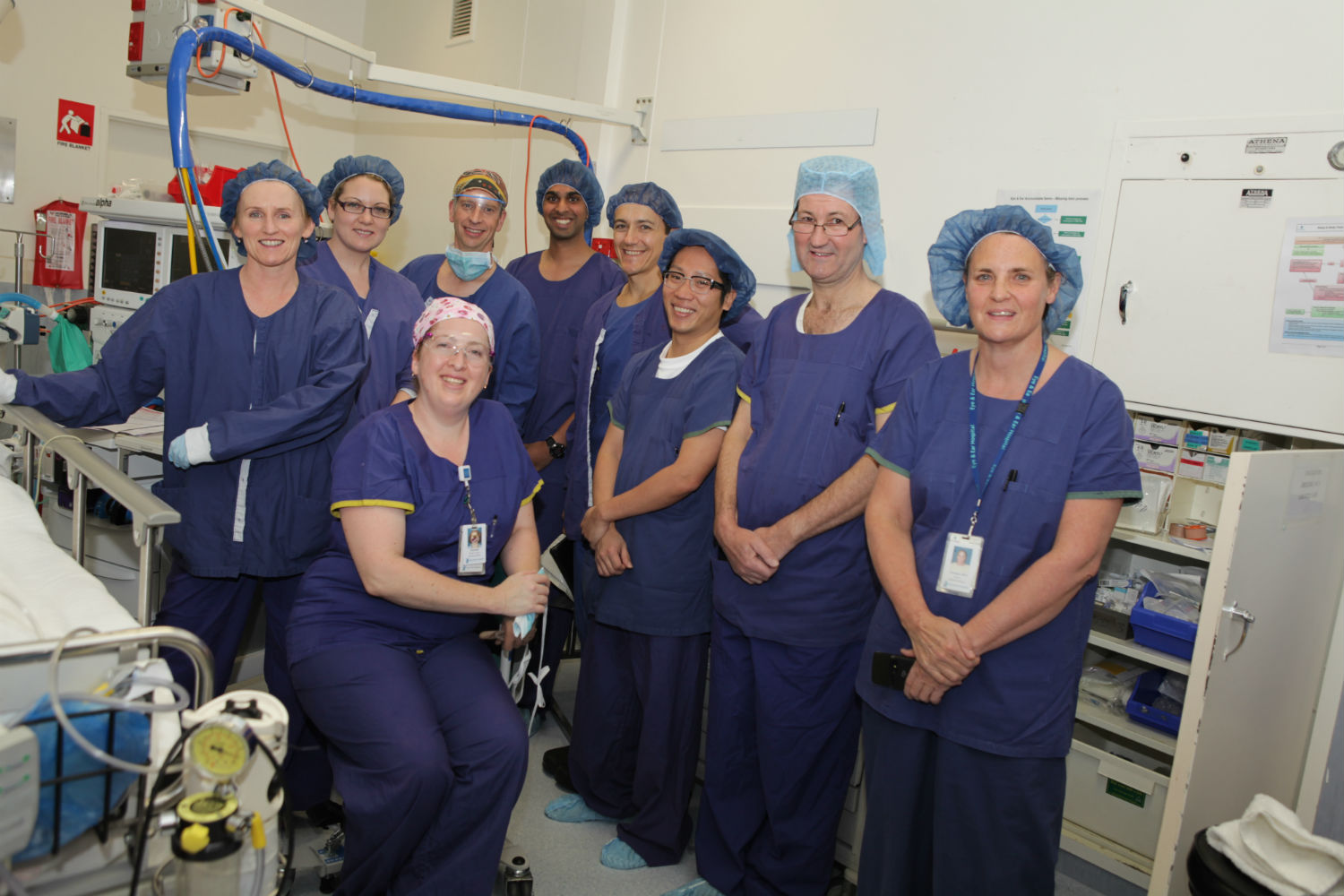
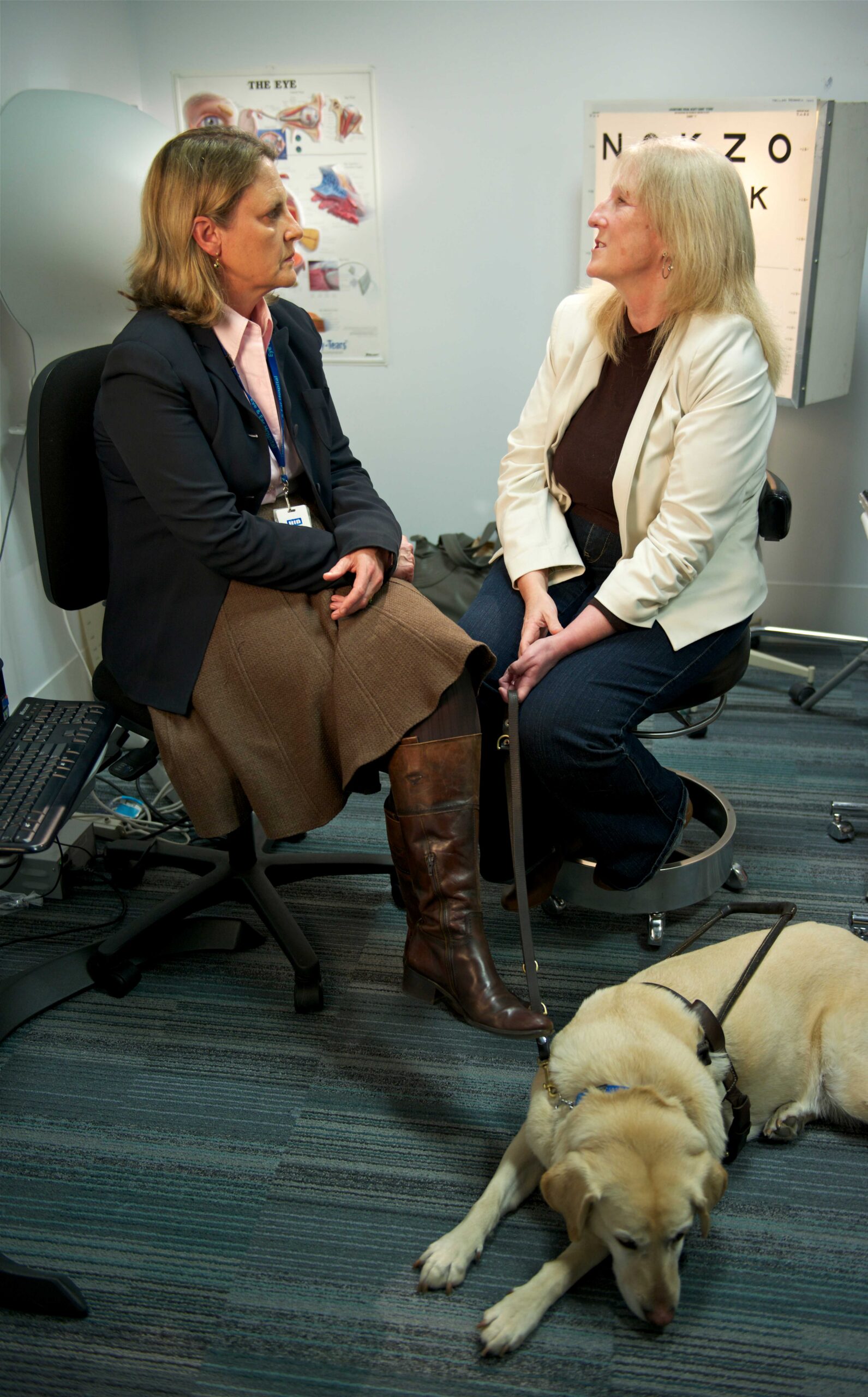
In 2012, CERA’s Associate Professor Penny Allen led world-first surgery that successfully implanted a bionic eye prototype in research participant Dianne Ashworth.
The surgery, conducted at the Royal Victorian Eye and Ear Hospital, achieved a world-first in demonstrating the viability of implanting the device in the suprachoroidal space between the choroid and sclera in the eye.
Later that year, the device was switched on and Ms Ashworth reported seeing flashes of light when its electrodes were stimulated.
Murray Rowland and Maurice Skehan were also implanted with the device and began testing for the proof of concept trial which was conducted from 2012 to 2014.
The implantation was the culmination of years of collaboration between CERA, the Bionics Institute, University of Melbourne, University of New South Wales and NICTA as part of the Bionic Vision Australia Consortium.
Second generation trial
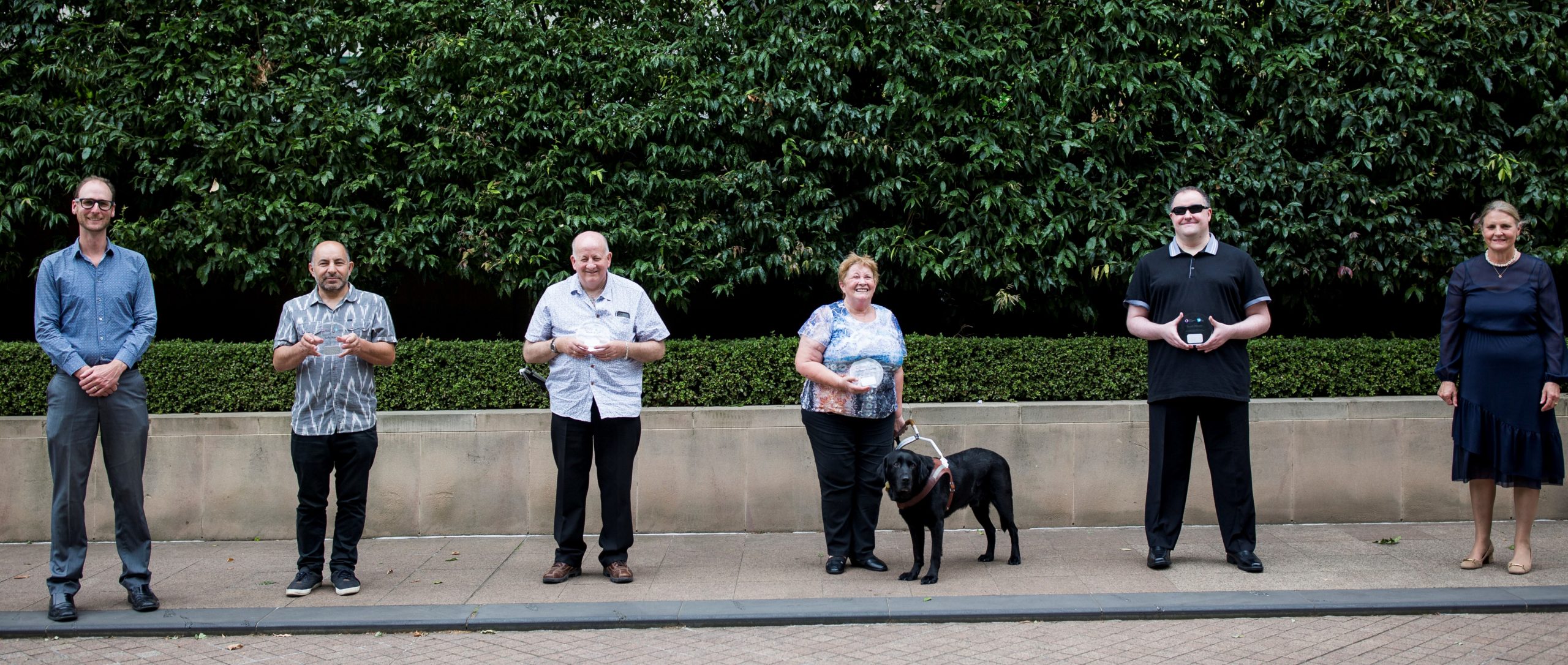
In 2018, four people living with retinitis pigmentosa – Colleen Knowles, Sefa Kuzu, Scott Nixon and Mark Boyd – were implanted with a more advanced ‘second-generation device’.
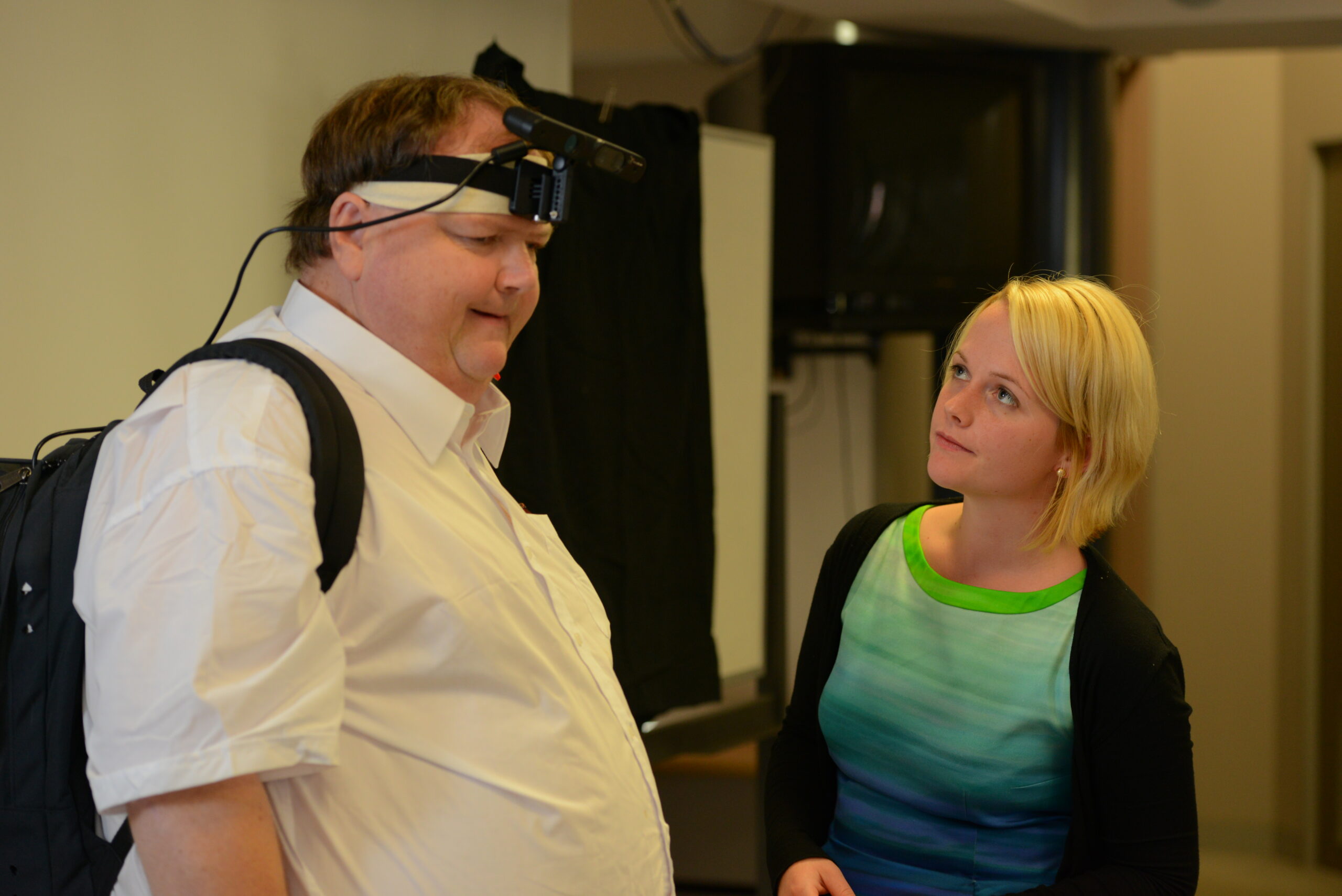
The second generation trial tested the effectiveness of the device in real-world settings – with participants using the device to navigate in the community and at home.
The trial was funded by medical device company Bionic Vision Technologies and the National Health and Medical Research Council.
Preliminary results announced in November 2018, reported that the surgeries went well and all participants had reported a sense of sight.
The second trial showed surgery was safe and well-tolerated, with no serious adverse events related to the device or the surgical procedures.
Participants showed improvements in the functional vision of being able to detect and avoid of obstacles both in lab-based and external outdoor environments.
A further study, released in 2024, demonstrated ‘substantial improvement’ in four participants’ functional vision, daily activities and quality of life over a period of more than two and a half years.
What’s next?
CERA continues to engage with participants from the hase 2 trial through a follow up study of their eye health and long term safety of the device.
Nationally researchers are also developing algorithms to improve visual processing and what device users could see using the device.
The next stage towards commercialisation and regulatory approval would require a Phase 3 global trial.