
Annual Review 2025
Community powers genetic research
A groundswell of support for inherited retinal disease research has helped establish a new research program led by Dr Jiang-Hui ‘Sloan’ Wang.
Listen to this story
A record-breaking CERA Giving Day and the contributions of donors have brought unique, cutting-edge research back to Australia.
Dr Jiang-Hui (Sloan) Wang – who completed his University of Melbourne PhD at CERA – has returned to Australia from the United States, where he worked as a Senior Research Fellow at the Gene Therapy Center, University of Massachusetts Chan (UMass Chan) Medical School for three years.
Dr Wang now leads CERA’s new Ocular Genetic Therapeutics research program aiming to develop new treatments to improve the delivery and efficiency of potential gene therapies for inherited retinal diseases (IRDs) including retinitis pigmentosa, Stargardt’s disease and Usher syndrome.
“I’m honoured to be returning to CERA where my career as a vision scientist began,’’ says Dr Wang.
Welcome back
IRDs are conditions caused by a faulty gene that causes cells to not work properly, leading to vision loss.
IRDs that are caused by faults in large genes, like Usher syndrome, were once considered untreatable, but gene therapies that can correct these genes to prevent vision loss are beginning to emerge.
These therapies often require delicate yet invasive injections of harmless viral vectors – known as adeno-associated viruses (AAVs) – to be delivered beneath the retina carrying the corrected gene.
However, there is a limit to how much AAVs can carry. Dr Wang’s revolutionary approach uses a less invasive injection to deliver large genes into the eye.
By splitting a large gene, reassembling it inside the retina and delivering it via a specially engineered AAV vector that outperforms those currently used, his aim is to reverse the effects of retinal disease.
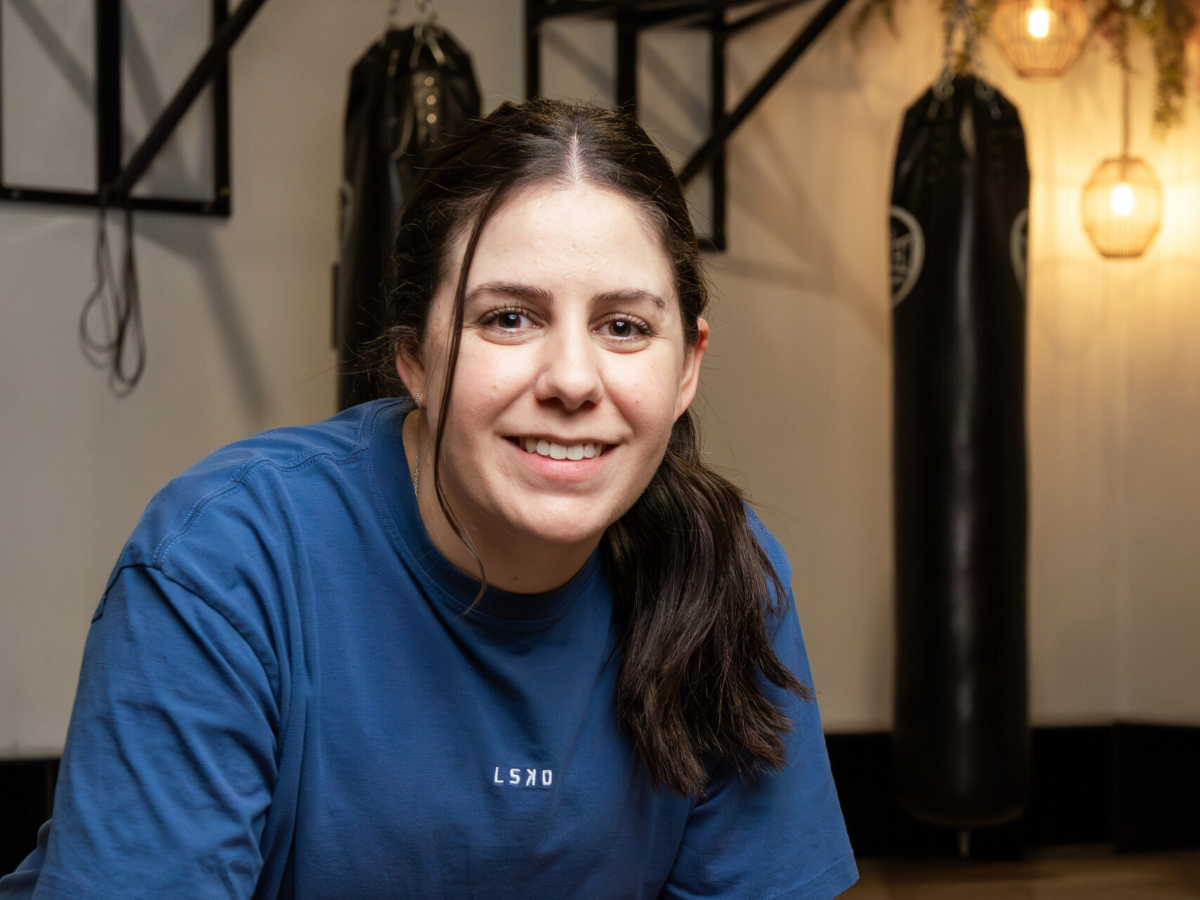
Record breaking support
An early focus for Dr Wang this year is research into the development of dual vectors to deliver potential gene therapies to treat blindness in Usher syndrome 1B – an IRD that is characterised by the combination of hearing loss and vision loss.
It’s a condition that both Olivia Depares and Louis Shepard have – two young people who both shared their stories and passion for research for CERA’s annual Giving Day as advocates of Dr Wang’s work.
Thanks to the generosity of an anonymous donor who matched donations on World Sight Day, over $200,000 was raised on the day to support Dr Wang’s work.
Dr Wang’s unique expertise will make CERA’s genetic engineering laboratory one of only a handful worldwide with expertise in developing these next generation of viral vectors.
It is an integral part of efforts across CERA to develop treatments for more IRDs.
“Merging speed, precision and real-world relevance we will not just advance science, it will deliver tangible next generation solutions, turning today’s lab innovations into tomorrow’s sight-saving treatments,” says Dr Wang.
Dr Wang’s work is supported by Australian Vision Research, Retina Australia, the Macular Disease Foundation of Australia and the DHB Foundation.
This story was originally published in Creating the future in sight: Annual Review 2025.