The Lions Ride for Sight has played an important part in CERA’s history as one of the organisation’s longest running fundraising events.
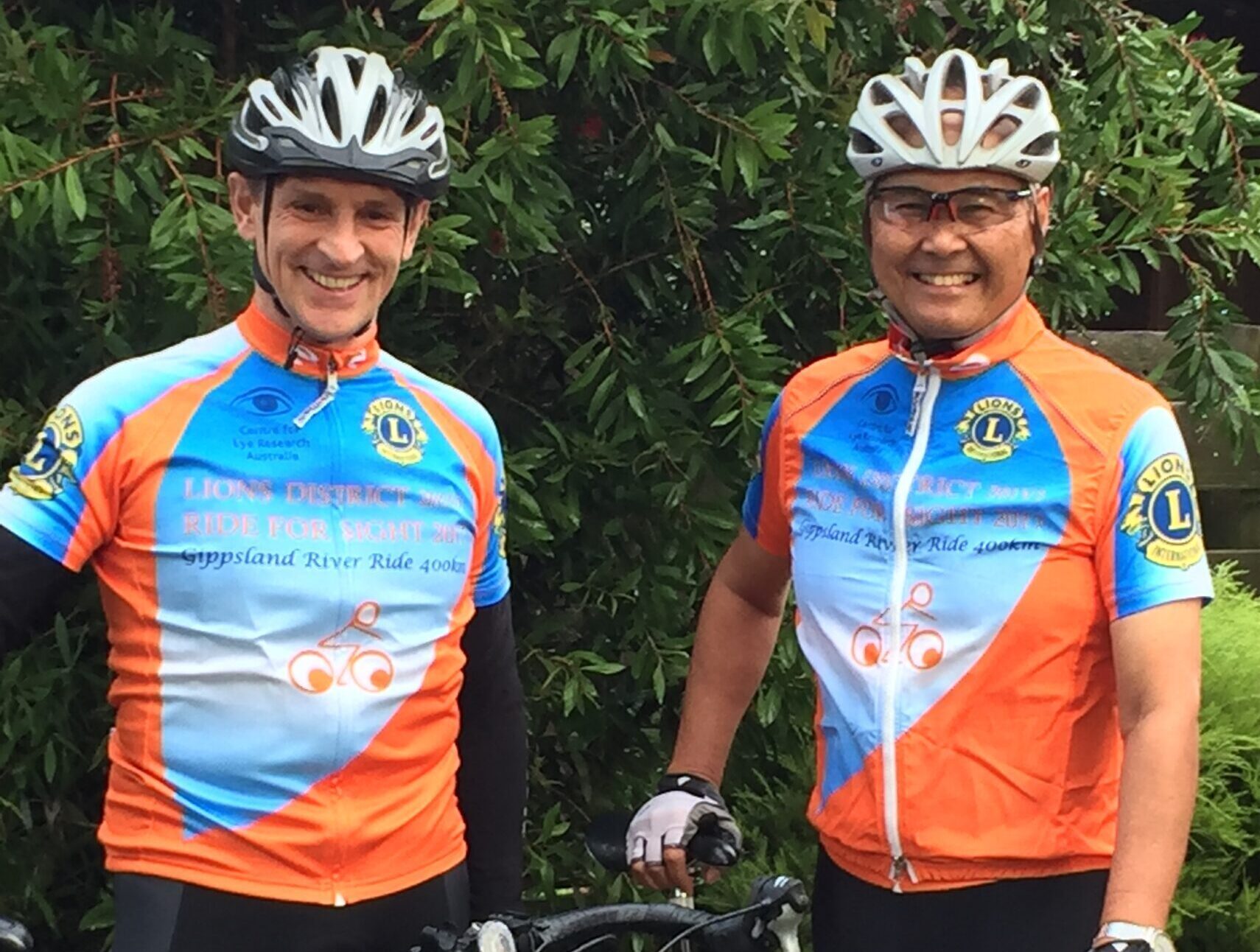
Since 1994, the annual event has brought together hundreds of cyclists, volunteers, Lions members and supporters to raise over $1.2 million for eye research.
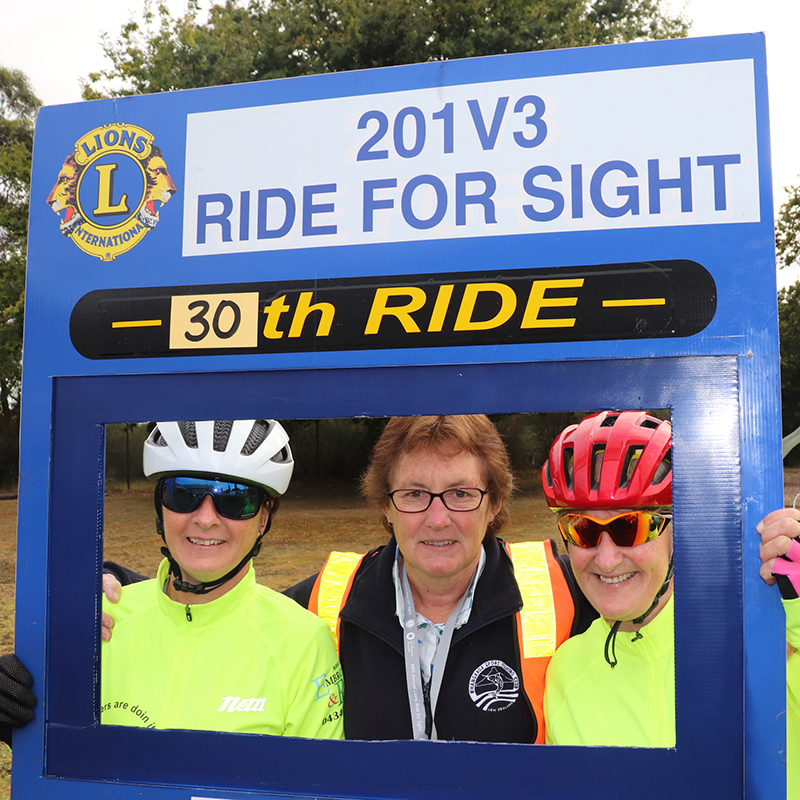
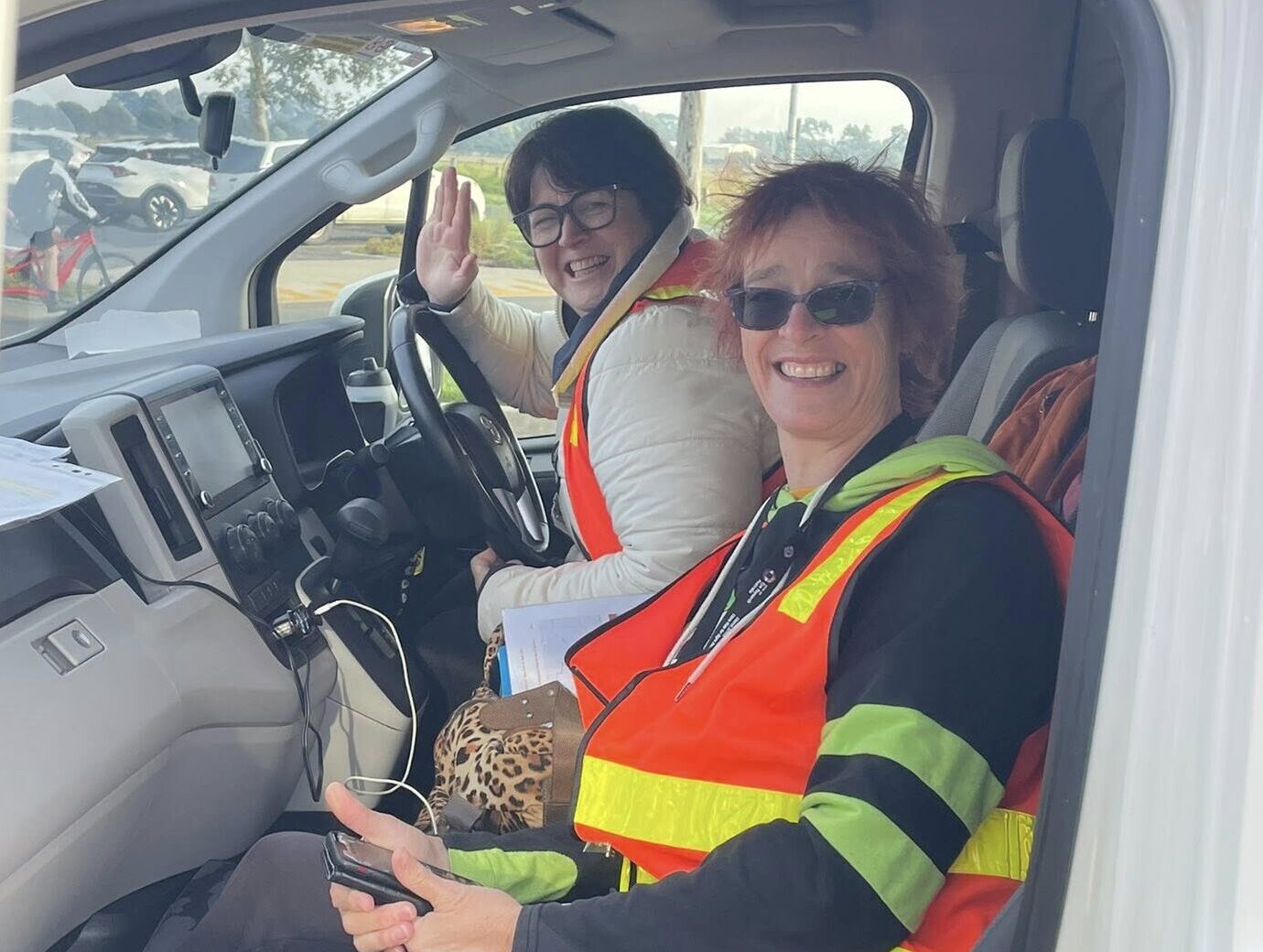
This year was the final Ride for Sight, with a new fundraising event involving cycling on/off road trails being planned for next year. With the event concluding, four people who have played different roles in its history look back on their involvement and what made the event so successful.
Tony Carr
The story of the Ride for Sight starts with Tony.
In 1993, he was Governor of Lions District 201V3, which covers Lions clubs across Gippsland and Mornington Peninsula.
Lions have supported initiatives to prevent blindness since 1925 when Helen Keller challenged clubs around the world to become ‘knights of the blind’. In the early 90s, clubs were fundraising for the global Lions campaign SightFirst. To keep pace with the fundraising efforts of other parts of Victoria, Tony started looking for a way to get the whole district involved in the campaign.
“There was a bit of a competition going on between five districts across Victoria, and we weren’t looking too good. We needed a big project; we couldn’t do it with little bits and pieces,” says Tony.
In December 1993, Tony introduced the idea of a district-wide fundraising social bike ride and worked closely with Past District Governor, the late George Barnard OAM, to get it off the ground.
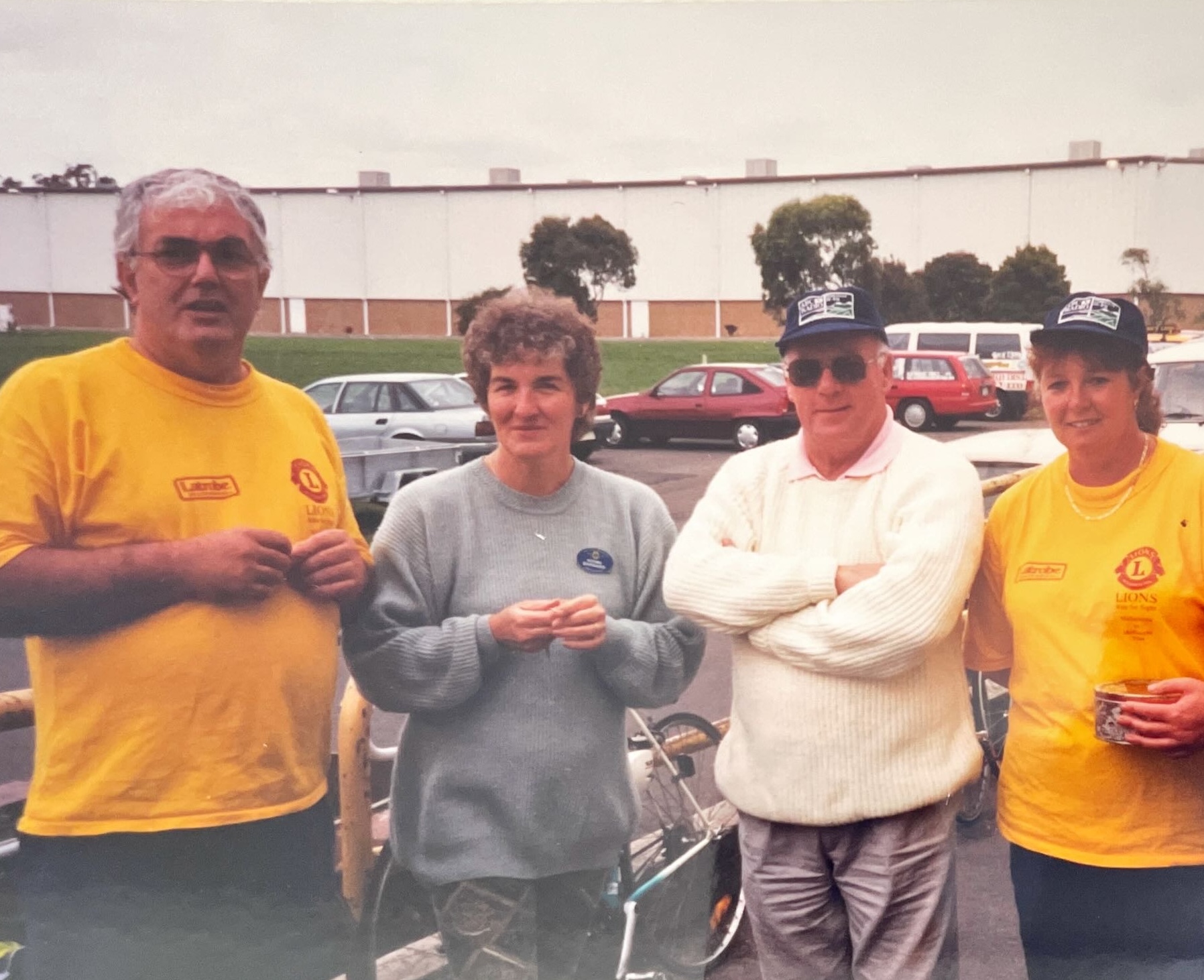
The inaugural ride in 1994 was an ambitious undertaking – almost 600 km over five days from Mallacoota to the Royal Victorian Eye and Ear Hospital in East Melbourne. It raised around $40,000, and kicked off what would become a 32-year tradition.
“It was a terrific success,” says Tony.
“Lions Clubs all the way through Gippsland and then on to Melbourne provided accommodation, meals and drinks. It was just a fantastic thing where everybody got involved.
“Sight was a big thing in our district. So I think clubs saw the need for money to be raised for sight and that had a big bearing on their participation.
“The other thing was we’d never done anything as a huge group like this before, and that meant something to people.”